Week 1 of our “Start Where You Are” Challenge focused on food, this week we’re talking about something I believe becomes even more important as we get older: strength.
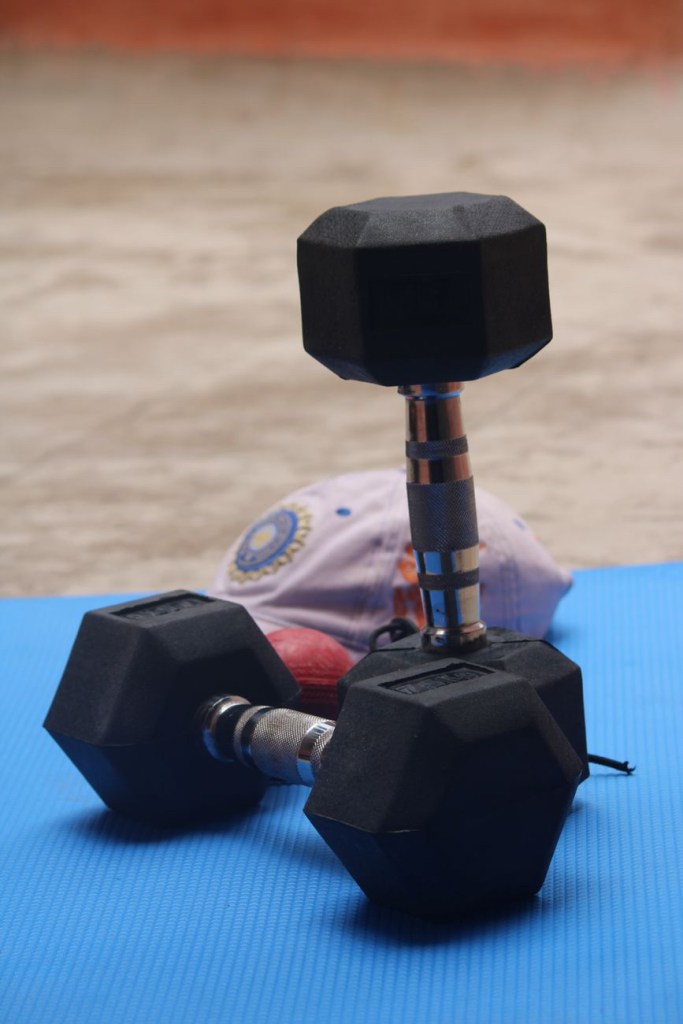
And before you tell yourself, “I’m not a weightlifter” I wasn’t either when I started. I realized I already had everything I needed to begin, two cans of corn and using my body weight as resistance.
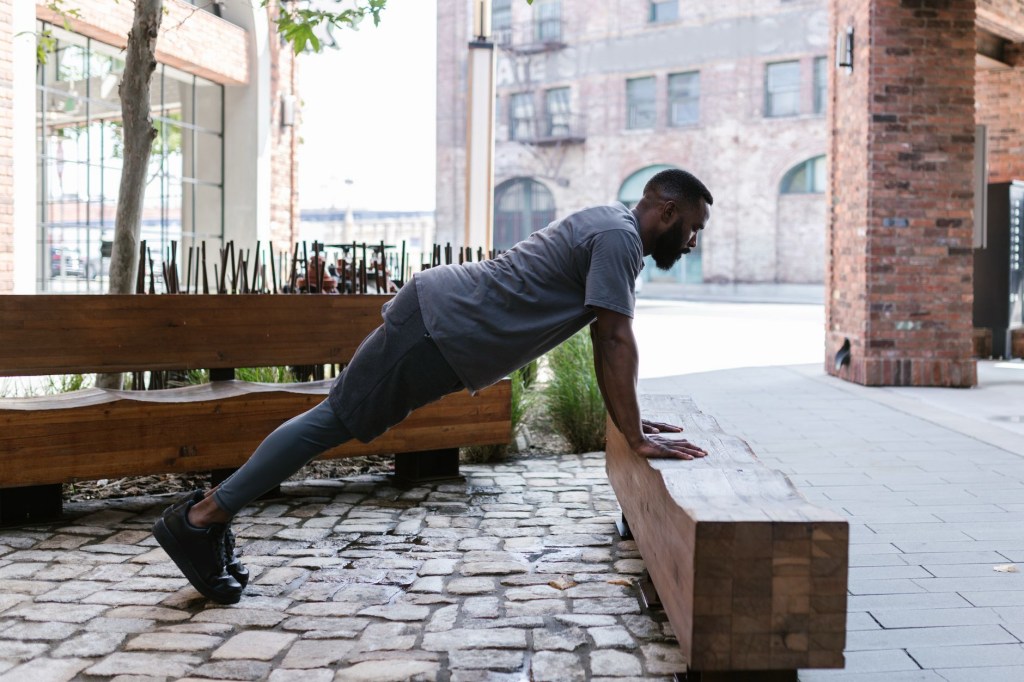
Strength training doesn’t have to mean joining a gym, lifting heavy barbells, or spending hours working out. In fact, when I started thinking about strength training differe resistance.
Why strength matters as we age
As we get older, maintaining muscle becomes increasingly important. We naturally lose muscle mass (up to 30 percent by age 60) and with the loss of muscle we lose strength with age, and that can eventually make everyday activities harder.
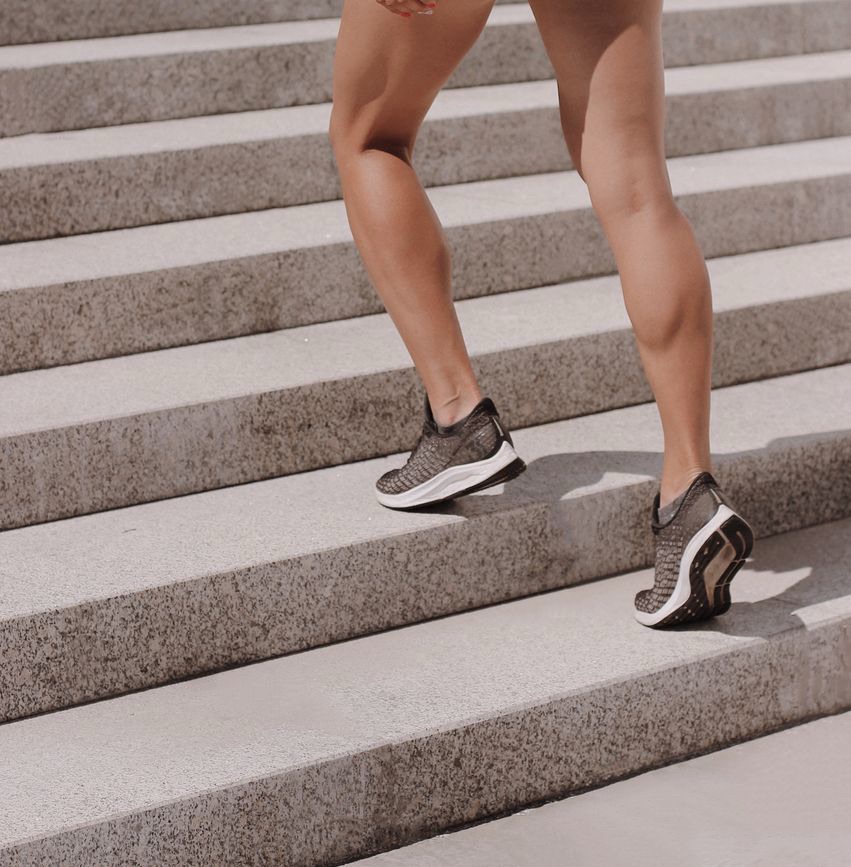
Strength training can help us maintain and build muscle, improve physical function, and make everyday things easier like getting out of a chair, climbing stairs, carrying groceries, and staying independent.
The National Institute on Aging recommends strength training at least two days a week, working the major muscle groups of the body. Research and national guidelines also emphasize that older adults benefit from combining strength training with aerobic activity and balance exercises. (National Institute on Aging)
I don’t just want to be alive.
I want to be strong enough to live the life I want to live.
I want to walk my trails.
I want to travel.
I want to get down on the floor and get back up.
I want to carry my groceries.
I want to garden.
I want to keep doing things for myself.
I want my age to be a number, not a list of things I can no longer do.
Start where you are.
I hope you aren’t tired of hearing this phrase because when it comes to strength training I believe this is probably the most important message I have.
You don’t have to start where someone else is. In fact you shouldn’t because of the risk of injury. Start where YOU are.
If you’ve never strength trained before, you don’t need to pick up a 20-pound dumbbell.
You can start with your own body weight.
Arm circles
Wall push-ups.
Standing leg lifts.
Calf raises.
Modified lunges.
Getting up and down from a chair.
Your body itself provides resistance with those exercises.
The goal isn’t to prove how much you can lift. The goal is to challenge your muscles safely and gradually make them stronger.
The CDC’s Physical Activity Guidelines specifically include body-weight exercises and resistance bands as muscle-strengthening activities. (CDC)
Resistance bands were the first equipment I bought
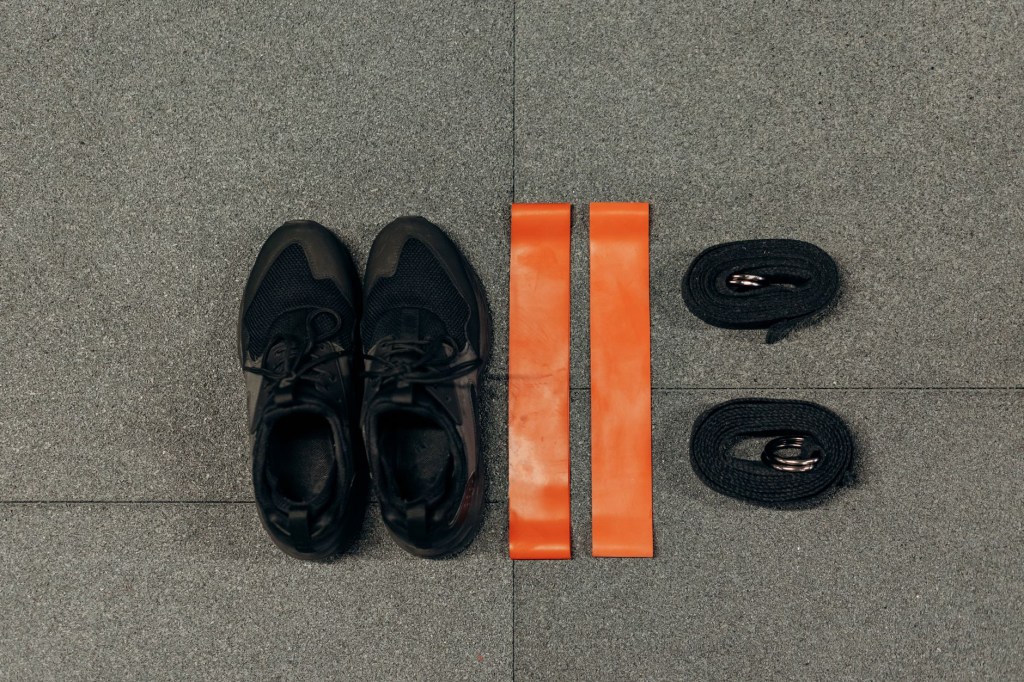
I also love resistance bands because they’re inexpensive, easy to store, and can give you a workout without needing a room full of equipment.
And don’t let their simple appearance fool you!
Those little bands can make your muscles work.
HERE is a 15 minute YouTube video to start with.
There are different levels of resistance, so you can start with a lighter band and gradually work your way up as you become stronger.
That’s another important part of strength training:
Progress doesn’t have to happen overnight.
Maybe you add a little more resistance.
Maybe you do a few more repetitions.
Maybe you go from one set to two.
Those little improvements add up as you gradually push yourself.
Don’t forget your upper AND lower body
One thing I really wanted to emphasize this week was that strength training isn’t just about your legs.
We need to work our whole body.
Our legs and hips help us walk, climb stairs and get up from chairs.
Our back and core help support us during everyday movement.
Our shoulders and arms help us carry, lift, push and pull.
The official guidelines recommend working all the major muscle groups, including the legs, hips, chest, back, abdomen, shoulders and arms. (CDC)
So don’t spend all your time on one area.
Give those arms, core, and legs some attention.
One thing I really wanted to emphasize this week was that strength training isn’t just about your legs.
We need to work our whole body.
Our legs and hips help us walk, climb stairs and get up from chairs.
Our back and core help support us during everyday movement.
Our shoulders and arms help us carry, lift, push and pull.
The official guidelines recommend working all the major muscle groups including the legs, hips, chest, back, abdomen, shoulders and arms. (CDC)
So don’t spend all your time on one area.
Give those arms, core, and legs some attention.
Two days a week is a great place to begin
The CDC and World Health Organization recommend muscle-strengthening activities involving the major muscle groups on at least two days a week. (CDC)
That doesn’t mean you have to exercise seven days a week.
It means that two days is a great starting point.
And remember, something is better than nothing.
If you can only do 10 minutes today, do 10 minutes.
If you need to sit down for some exercises, sit down.
If you need to modify an exercise, modify it.
If you need to start with body weight before adding resistance, that’s perfectly okay.
Meet yourself where you are.
Then keep moving forward.
This isn’t about getting “buff”
I’m not strength training because I want to look like a bodybuilder.
I’m strength training because I want to keep my independence.
I came up with a list of my “Whys”:
I want to be able to do things for myself for as long as possible.
I want to be an active part in my children and grandchildrens’ lives.
I want to have the strength to get off the floor without needing someone to pull me up.
I want to carry my suitcase or bag of groceries.
I want to lift things around the house.
I want to keep walking.
I want to keep exploring.
I want to keep saying YES to life.
And strength training is one of the tools that can help me do that.
Here’s your challenge
If you’ve been following along with me this week, I hope you understand that you don’t need a gym membership or a bunch of expensive equipment. (Although I would love to go to a gym.)
Instead, I hope you walk away thinking:
“Maybe I can start.”
Start with your body.
Try a resistance band.
Find a beginner workout on YouTube.
Work your upper body.
Work your lower body.
Learn proper form.
And most importantly, start where you are.
You don’t have to be strong to start.
You start, and then you get stronger.
And that’s what this whole health journey is about for me.
Not perfection.
Not being the youngest person in the room.
Not trying to turn back the clock.
It’s about becoming the strongest, healthiest version of myself that I can be right where I am today.
Because I didn’t retire to sit down.
I retired to live. And I want to be strong enough to keep doing it.
Great places to look for inexpensive weights as you go along:
Garage and estate sales often have weights
TJ Max has an area with exercise equipment.
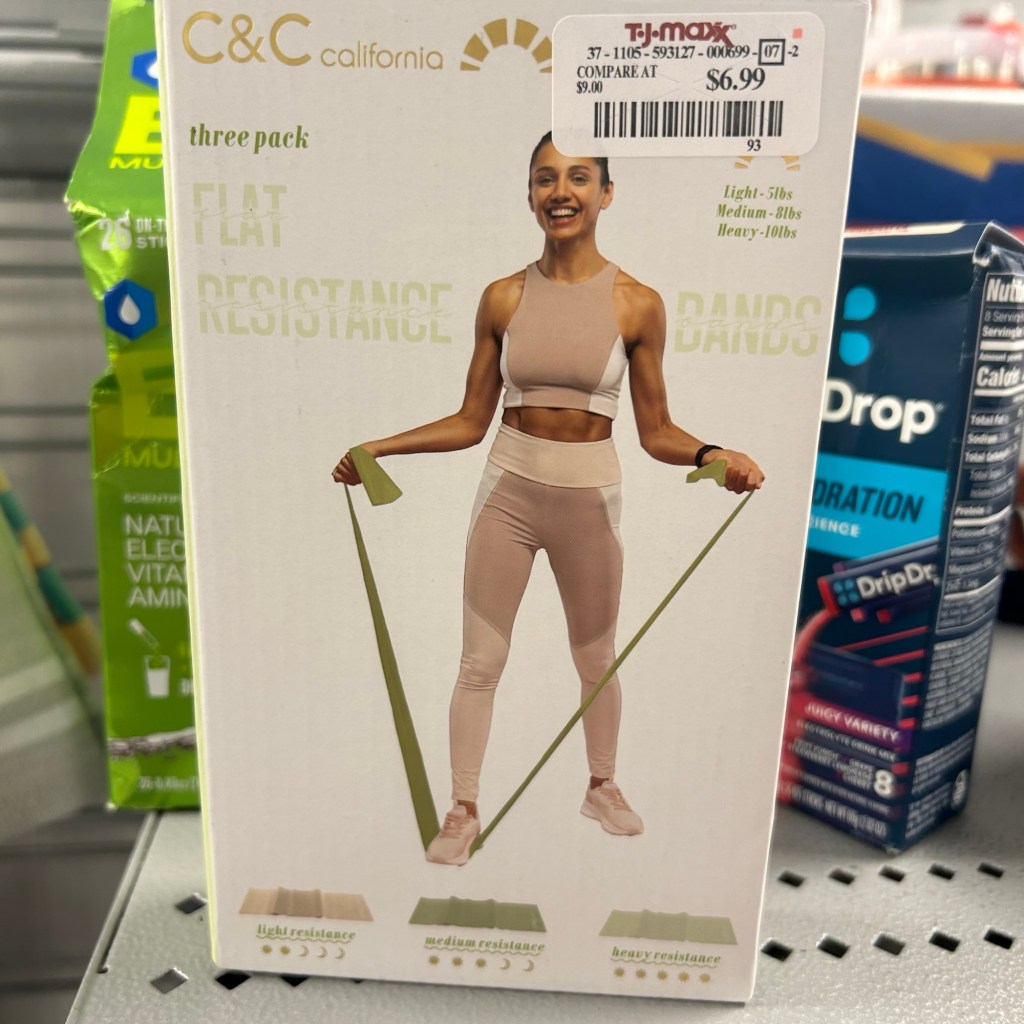
Five Below has a surprising amount of weights and equipment.
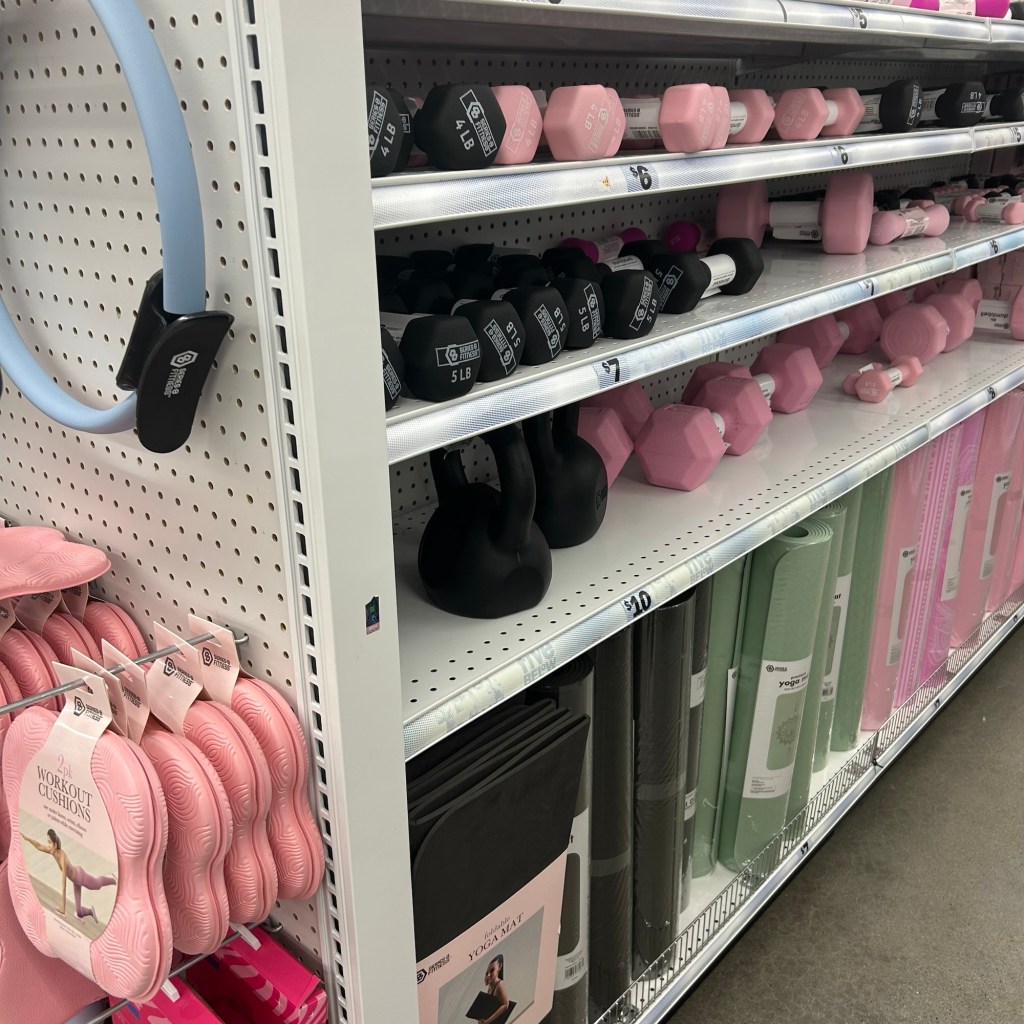
As always, I’m sharing what has worked for me, not giving medical advice. If you’re new to exercise, have health concerns, or aren’t sure which exercises are appropriate for you, talk with your healthcare professional before starting a new exercise program.


 Choosing to Reset
Leave a comment