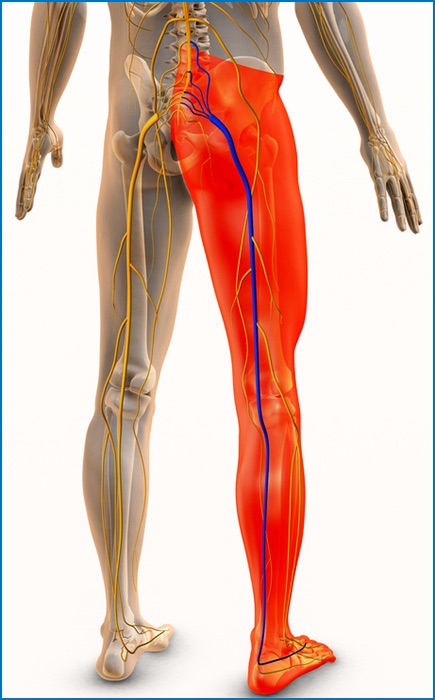
Sciatica occurs when the sciatic nerve, which runs from your lower back through your hips, buttocks, and down each leg, becomes compressed or irritated. Common causes include:
1. Herniated or Bulging Disc: A disc in the spine presses on the sciatic nerve.
2. Spinal Stenosis: Narrowing of the spinal canal puts pressure on the nerve.
3. Piriformis Syndrome: The piriformis muscle in the buttocks irritates the sciatic nerve.
4. Spondylolisthesis: A vertebra slips out of place, pinching the nerve.
5. Trauma or Injury: Falls, car accidents, or other injuries can affect the nerve.
6. Degenerative Disc Disease: Wear and tear on spinal discs over time.
7. Pregnancy: Pressure from the growing uterus can compress the sciatic nerve.
My own problems with sciatica started with my first pregnancy and was much worse with my second. After my pregnancies sciatica has plagued me from time to time with Piriformis Syndrome . Because I was pregnant and hesitant to take medication, my physician recommended physical therapy instead of medication when I talked with him about my pain and I am so glad that he did. Over the years I have been to physical therapy and chiropractic care to ease my symptoms and rarely have I required medication. Recently I experienced a flare up that was worse than normal.
I immediately started stretching exercises that were recommended:
These exercises help stretch and strengthen muscles around the sciatic nerve to reduce pressure and improve mobility.
1. Child’s Pose (Stretch)
• Kneel on the floor, sit back onto your heels, and extend your arms forward while lowering your chest toward the ground.
• Hold for 30 seconds and repeat 3–5 times.
2. Piriformis Stretch
• Lie on your back with both knees bent. Cross your right ankle over your left knee, creating a figure-four shape.
• Gently pull your left thigh toward your chest until you feel a stretch in your buttock.
• Hold for 20–30 seconds on each side, repeating 3–4 times.
3. Cat-Cow Stretch
• Start on your hands and knees. Arch your back upward (Cat) and then slowly dip it downward (Cow).
• Alternate between these positions for 1–2 minutes.
4. Glute Bridges
• Lie on your back with your knees bent and feet flat on the ground. Lift your hips toward the ceiling, engaging your glutes and core.
• Hold for 2 seconds at the top, then lower down. Repeat 10–15 times.
5. Knee-to-Chest Stretch
• Lie on your back and bring one knee to your chest, keeping the other leg straight on the floor.
• Hold for 20–30 seconds and switch legs. Repeat 3–5 times on each side.
The exercises helped me but not enough and I took a trip to urgent care where I received a steroid injection and a prescription for muscle relaxers.
I am glad to have the medication but my goal is to not have another recurrence and to figure out what caused the flare and what I can do to prevent another.
I learned from my Instagram account followers that I am absolutely not alone when it comes to this issue and starting asking for advice and doing research. I got a lot of great input!
Here is what I have learned:
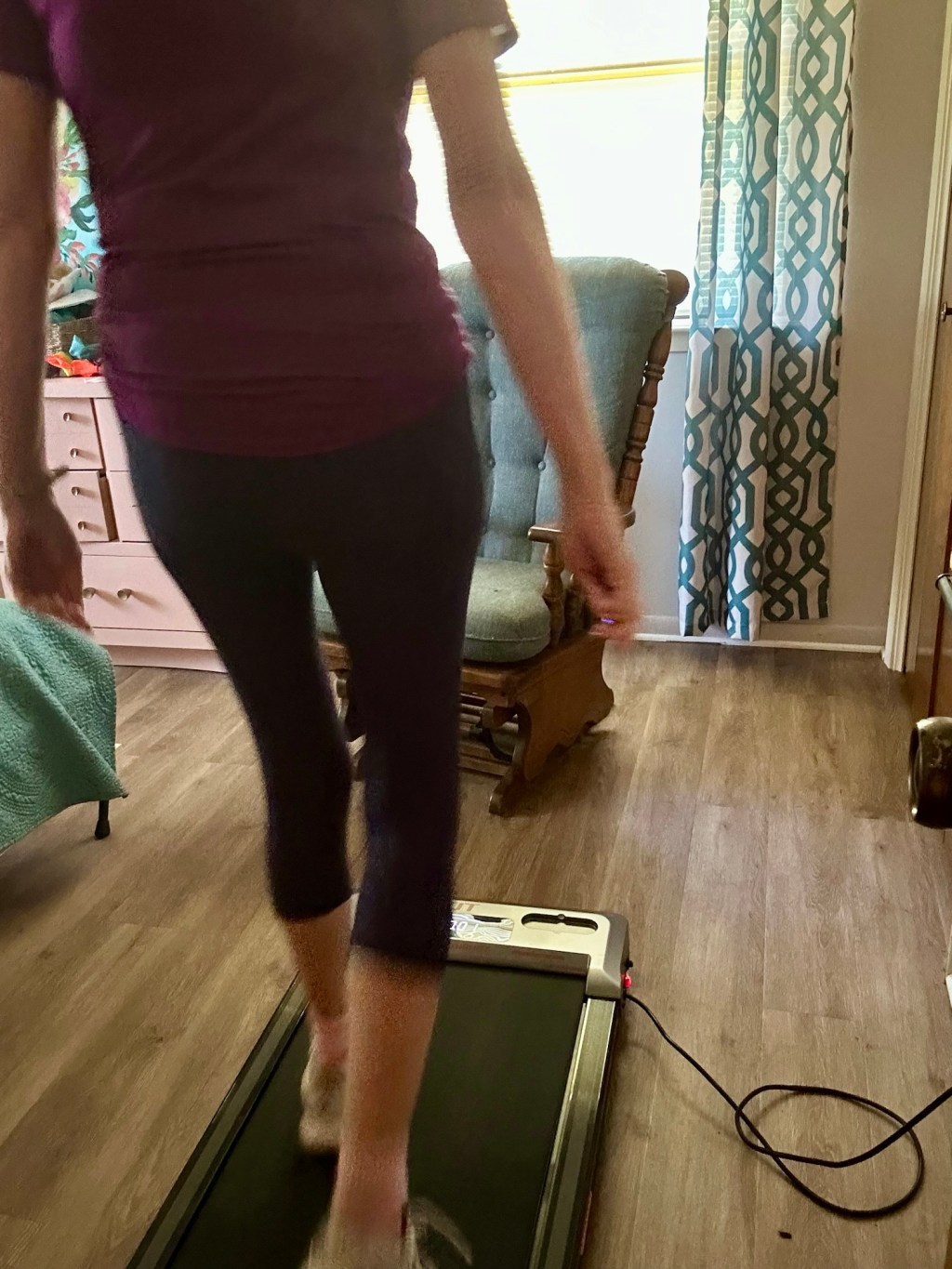
First of all, exercising , especially walking, helps with sciatica by making your muscles stronger, more flexible, and better at supporting your spine. Here’s how it works in simple terms:
1. Walking Improves Blood Flow
Walking gets your blood moving more efficiently which helps deliver oxygen and nutrients to your muscles and nerves. This can reduce pain and help heal irritated parts of your body, like the sciatic nerve.
2. Walking Strengthens Core and Leg Muscles
When you walk, you use your core (your belly and back muscles) along with your leg muscles. These muscles support your spine and keep pressure off the sciatic nerve.
3. Walking Stretches Tight Muscles
Sciatica pain can come from muscles around the nerve being too tight. (My problem) Walking helps loosen those muscles, like your hamstrings and hip muscles, so they don’t pinch the nerve as much.
4. Walking Reduces Stiffness
If you sit too long, your muscles and joints can get stiff, which might make sciatica worse. Walking keeps your body moving, which can reduce stiffness and improve how well your back and hips move.
5. Walking Releases “Feel-Good” Chemicals
Walking and other exercises make your brain release chemicals called endorphins. These are your body’s natural painkillers, and they can help you feel better overall.
The information above is great but since I was already walking and still had a flare, I knew that it had to be something else that was causing my pain.
I heard from nurses, a physical therapist, and several other sufferers that core strength and posture can impact sciatica. (Thank you!)
Here is some of what I’ve learned and believe is the root of this flare up:
Posture and core strength play a role in aggravating or alleviating sciatic nerve pain, as they directly impact spinal alignment, muscle support, and nerve health.
Here’s how:
1. Poor Posture and Sciatic Nerve Pain
• Spinal Misalignment: Slouching or poor posture (e.g., sitting hunched over or standing with a tilted pelvis) can compress the lower spine, where the sciatic nerve originates. This increases pressure on the nerve.
• Pelvic Tilt: Poor posture often results in an anterior (forward) or posterior (backward) pelvic tilt, which can strain the muscles around the sciatic nerve, exacerbating pain.
• Sitting for Long Periods: Sitting with improper posture (e.g., crossing legs or slouching) can compress the piriformis muscle or the nerve itself, especially if you’re seated on a hard surface.
2. Weak Core Muscles and Sciatic Nerve Pain
• Reduced Spine Support: The core muscles stabilize the spine. Weak core muscles allow for instability in the lumbar region, which can lead to excess strain on the discs and nerves, including the sciatic nerve.
• Increased Lower Back Pressure: When the core is weak, the lower back compensates, causing muscle tension, inflammation, and potential nerve compression.
How to Improve Posture and Core Strength to Relieve Sciatic Pain
Adjusting posture:
• Sit with your back straight, shoulders relaxed, and feet flat on the ground.
• Use ergonomic chairs and lumbar supports if sitting for extended periods.
• Stand tall with even weight distribution.
How to Strengthen the Core:
• Planks: Strengthen the deep abdominal muscles that support the spine.
• Bird Dog: Improves core stability and spinal alignment. (This is that exercise I didn’t know the name of during the 21 day plan.)
• Bridges: Activate glutes and core while stabilizing the pelvis. Lay on your back, lifting your bottom off the floor with feet and shoulders on the floor.
• Stretch and Mobilize: Stretch tight hamstrings, hip flexors, and the piriformis muscle to relieve pressure on the sciatic nerve.
• Incorporate exercises like yoga (e.g., Cat-Cow, Child’s Pose) to improve mobility and posture.
Poor posture and weak core muscles increase the risk of sciatic nerve irritation by straining the spine and surrounding structures. Improving posture and strengthening the core can alleviate pressure, enhance spinal alignment, and prevent flare-ups.
Research I looked at and what it found:
1. Core Strengthening Exercises
• Pain Reduction and Improved Movement : A meta-analysis published in PLOS ONE found that core stability exercises are more effective than general exercises in decreasing pain and improving physical function in patients with chronic low back pain (CLBP).
• Benefits: Orthopedic & Sports Physical Therapy found that core stability exercises were more effective than general exercises for reducing pain and enhancing back-specific functional status in individuals with low back pain.
2. Posture Improvement
• Posture Training: A StatPearls article on sciatica management emphasizes practicing good, erect posture as part of patient education to help manage sciatica pain.
• Sitting and Sciatica: An article from HealthCentral discusses how learning the proper way to sit and maintaining a neutral posture can help alleviate sciatica symptoms.
3. Combined Approach
• Core Strengthening and Posture Correction: A study published in the International Journal of Therapy and Rehabilitation found that posture correction combined with stretching activities was more beneficial than core strengthening alone in reducing sciatic pain and functional disability.
These studies suggest that integrating core strengthening exercises with posture correction strategies can effectively reduce sciatica pain and improve overall function.
Seniors with Sciatica Exercises begin 5 minutes into the video but the information before is good also.
The Exercises That Are Helping Most (FYI they aren’t instant like the video title but they definitely help)
Sleeping and Sciatica I definitely learned I was doing some things wrong
Five minute Exercise to do Daily I am planning to start doing these before I go for my morning walks after I am back to my normal routine.
These are some great YouTube Channels to subscribe to if you have sciatica:
1. Bob & Brad
• Famous physical therapists offering simple, clear guidance for sciatica and other pain issues.
• Channel: Bob & Brad
2. Yoga With Adriene
• Gentle, beginner-friendly yoga sequences designed to alleviate pain and improve flexibility.
• Channel: Yoga With Adriene
3. SpineCare Decompression and Chiropractic Center
• A chiropractor-led channel specializing in sciatica relief exercises and stretches.
• Channel: Spine Care Decompression Chiropractic Center
I would love to hear from you regarding your experience with sciatica and what has worked for you.
Karen



 Choosing to Reset
Leave a comment