
I thought I ate well when I started this journey, I thought that my problem was that I was eating too much and I decided to watch my portions and that processed foods needed to go. I started cutting out the processed foods, cooking more at home, eating more vegetables and I thought I was doing great. Even though I was eating less, I wasn’t seeing any signs that my weight was dropping and I was exhausted. I would crash in the afternoon and had no energy. I reached out to some nutrition experts who shockingly followed me. Every single one of them recommended journaling my food. I agreed on writing down everything I ate for a week and sent it to two nutrition coaches. They were not impressed with my diet. I wasn’t eating enough protein. I was getting between 30 and 40 grams of protein a day. Way too low.
I also learned that protein also plays a role in maintaining bone density, which can help reduce the risk of fractures. That was an eye opener for me as someone who has a family history of osteoporosis and currently has been diagnosed with osteopenia.
Here is what I have learned over the last 10 months: Incorporating more protein into my diet while maintaining balance is easier than you might think. I still sometimes slip back into my routine of not choosing protein when I’m hungry but I’m a work in progress too.
Here are some simple strategies that I’ve learned works for me:
1. Add Protein-Rich Snacks:
- Greek Yogurt: High in protein, it can be topped with nuts, seeds, or fruit. I love fruit.
- Hard-Boiled Eggs: Easy to prepare and store, making them a convenient snack.
- Cottage Cheese: Pair it with fruits or vegetables for a balanced snack. Honestly I have learned that I like it with pepper and carrot sticks.

- Chomps Meat Sticks: My current favorite shelf stable snack. You can probably find one in my backpack if I’m out and about.
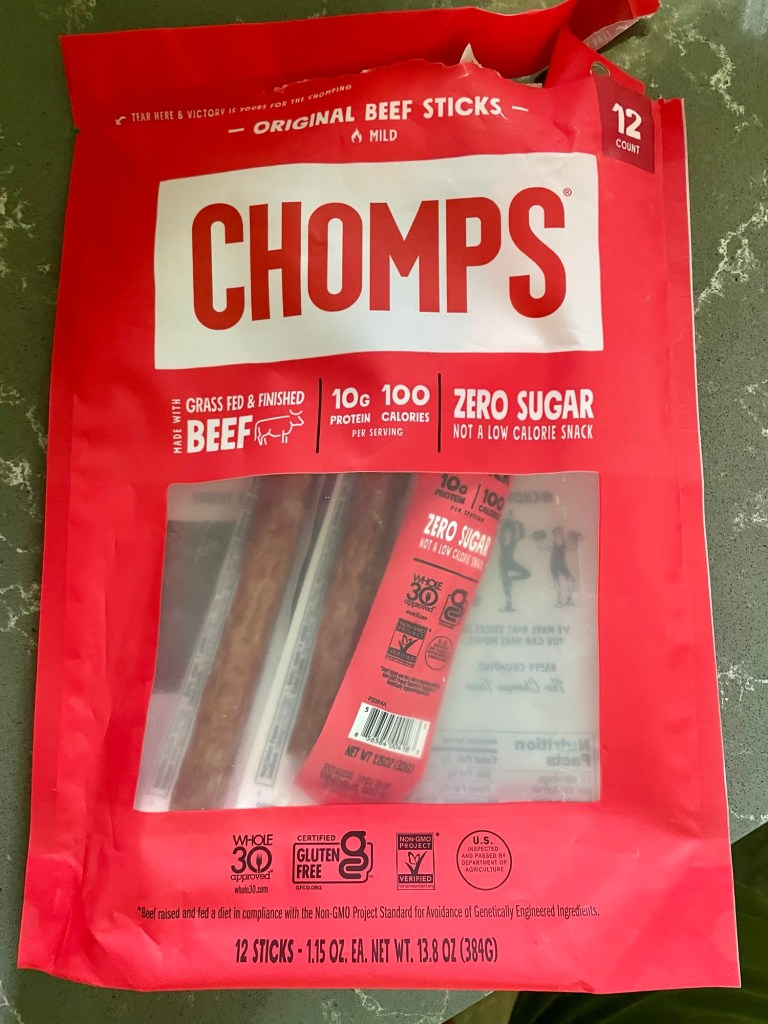
- 100 Calorie individual bags of almonds or walnuts: Along with Chomps, there are probably a packet of nuts,
2. Upgrade Your Breakfast:
- Egg-Based Dishes: Try omelets or scrambled eggs with vegetables. I’ve been making egg bites in the oven the recipe is here.
- Protein Smoothies: Blend Greek yogurt, cottage cheese, or PB2 powder with fruits, vegetables, and milk or a milk alternative. Some ideas here.
- Overnight Oats: Mix in Greek yogurt, old fashioned oats, fruit, vanilla, cinnamon or whatever sounds good to you. Ideas here.
3. Incorporate Lean Meats and Fish:
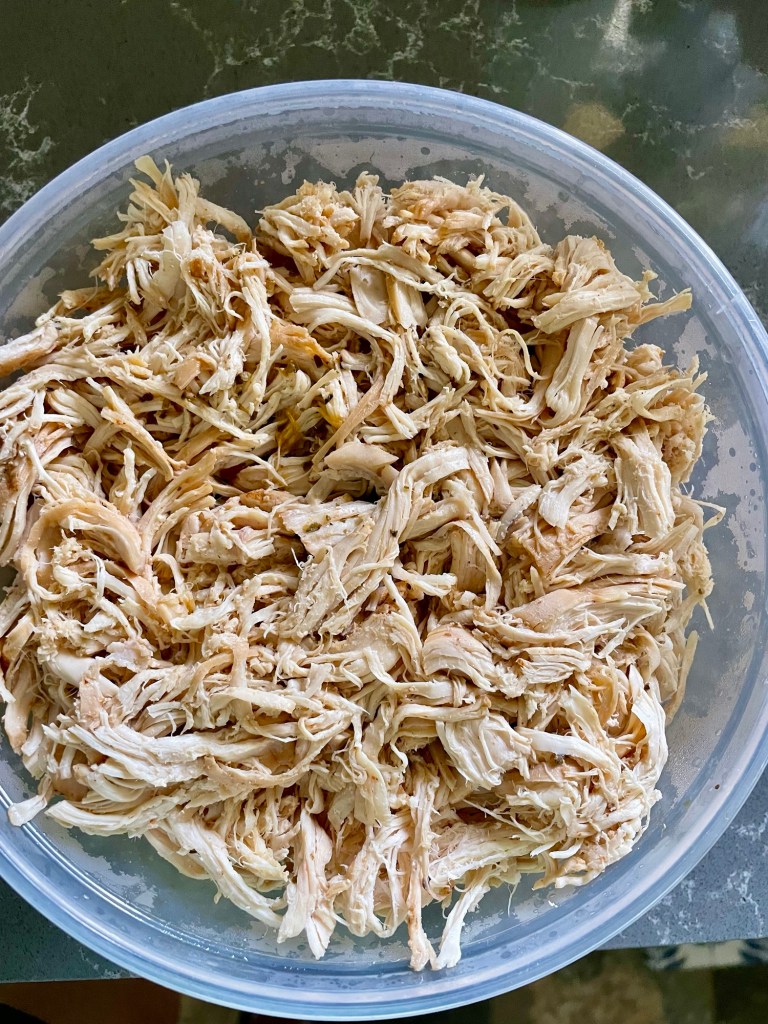
- Chicken, Turkey, or Lean Beef: Add these to salads, wraps, or grain bowls at lunch. I also eat about 6 ounces of meat at dinner.
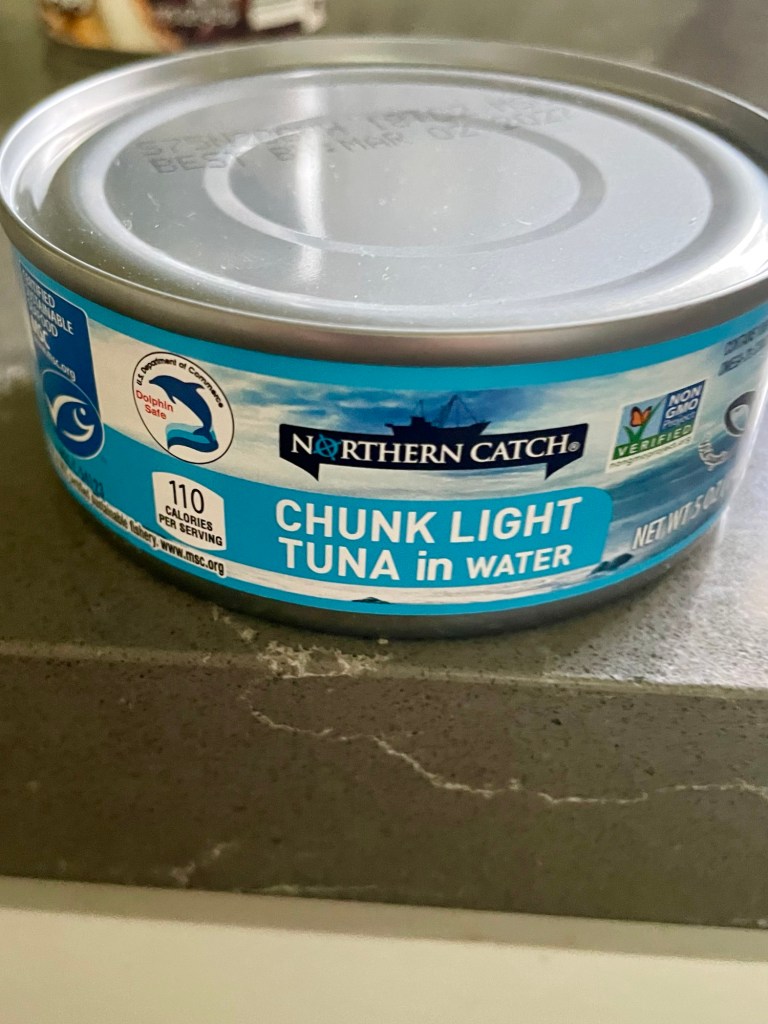
- Fish: Grilled or baked salmon, tuna, or other fish are excellent protein sources. Canned Tuna is a great choice also.
4. Include Plant-Based Proteins:
- Beans and Legumes: Add them to soups, salads, or make a bean-based chili.

- Quinoa: A complete protein that can be used in place of rice or other starch. Just being honest, I’m still working on enjoying it. Not there yet.
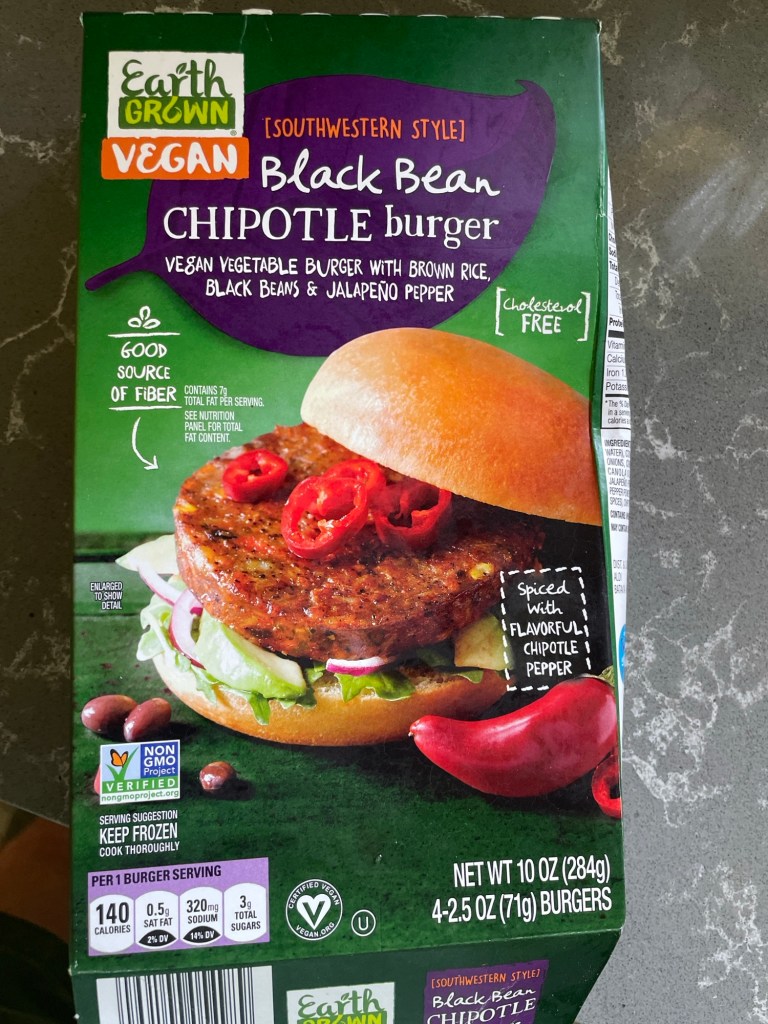
- Plant Based Faux Meat: It took me a while to try the meat substitute but I’ve found some that I really do like. Particularly hamburger patties.
5. Choose Whole Grains:
- Quinoa or Amaranth: Higher in protein compared to rice or pasta.
- Whole Grain Bread: Choose options with added seeds or nuts.
6. Use Protein-Rich Toppings and Mix-ins:
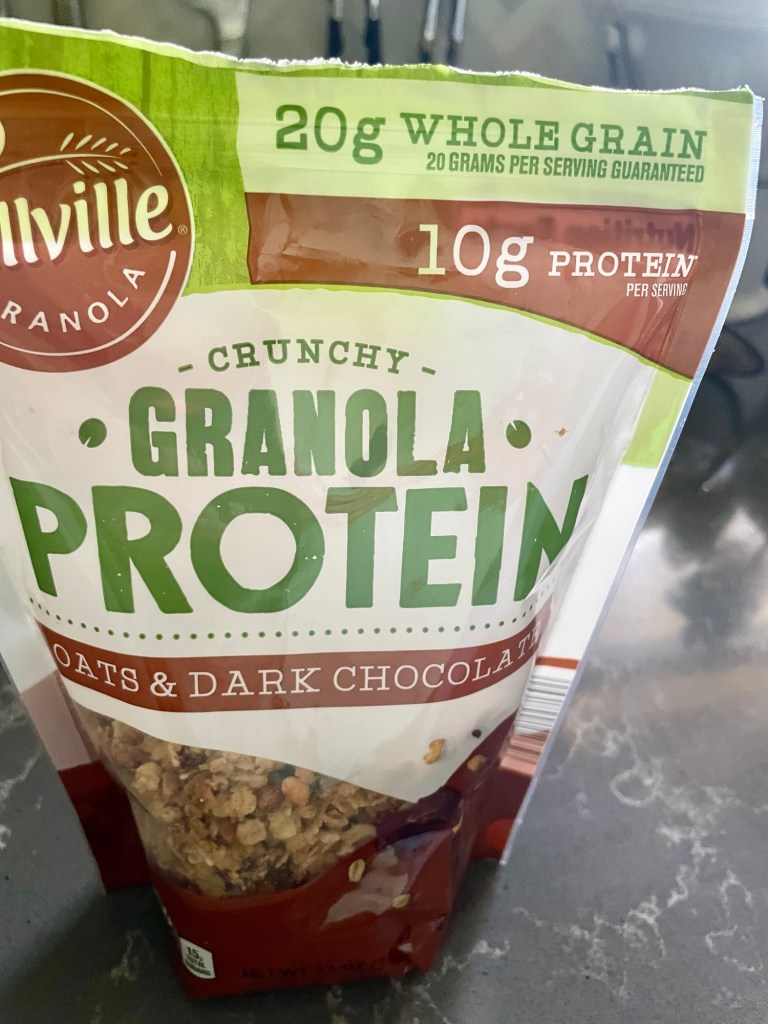
- Cheese: Sprinkle on salads, eggs, or vegetables.
- Nut Butters: Add to smoothies, spread on whole-grain toast, or mix into oatmeal. I look for no sugar added peanut butter or PB2 powder.
7. Incorporate Protein-Rich Dairy Products:
- Milk: Use it in cooking or drink a glass with meals.
- Cheese: Opt for cottage cheese, ricotta, or low-fat varieties.
Research suggests that spreading protein intake evenly throughout the day (with each meal or snack ) might be more effective for maintaining muscle mass than consuming most protein in one meal
Don’t Forget to Balance Your Plate:
- Half Vegetables: Ensure half your plate is filled with a variety of vegetables.
- Quarter Protein: Dedicate a quarter of your plate to a protein source.
- Quarter Carbs: The remaining quarter should be whole grains or starchy vegetables.




 Choosing to Reset
Leave a comment