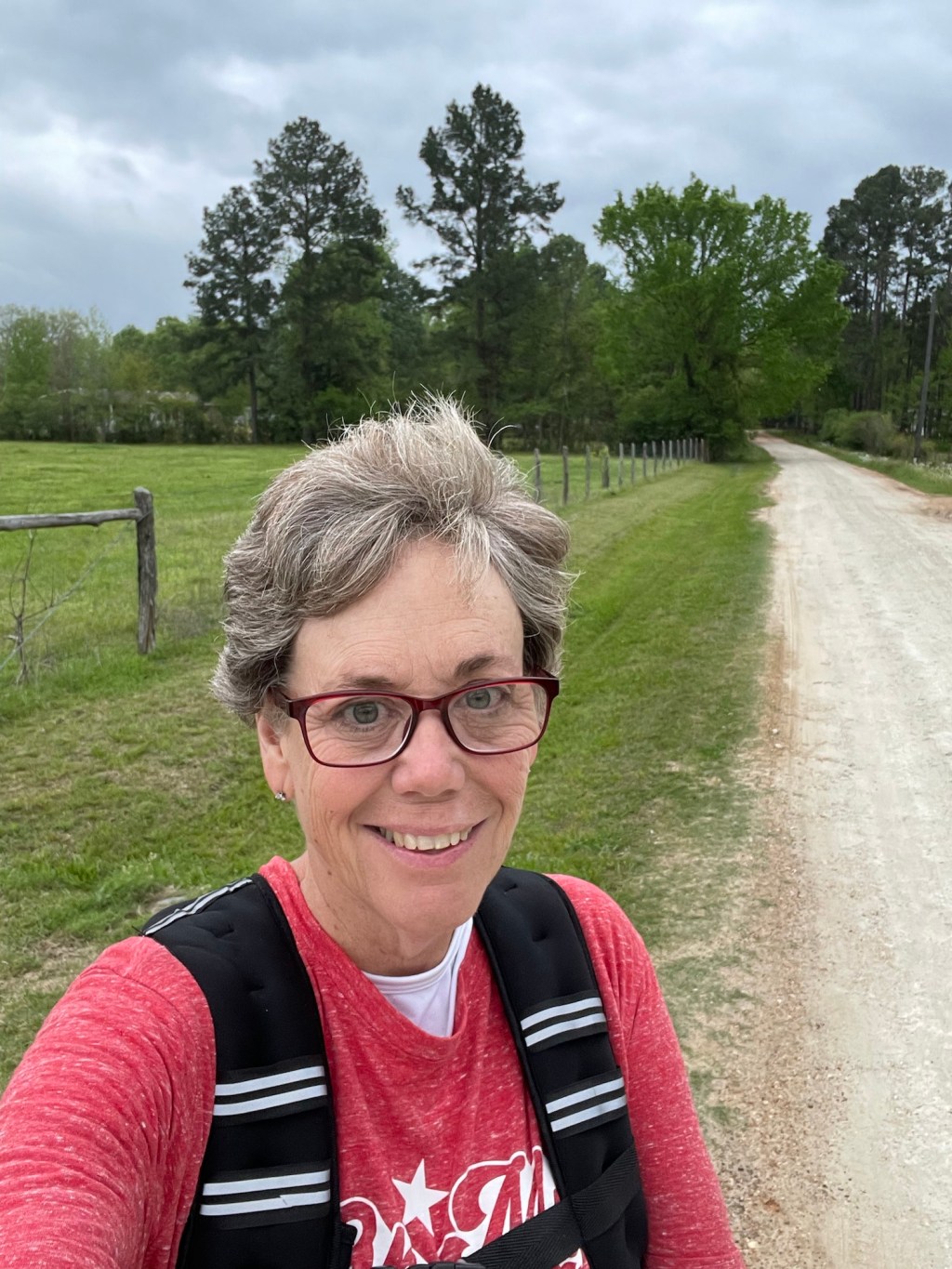
In January I took a bone density test. It was my second test, five years from the first one, and it showed that my bone density had dropped to the point that I was diagnosed with osteopenia. Osteopenia is a condition where your bone mineral density (BMD) is lower than normal peak density, but not low enough to be considered osteoporosis. It was time to get busy!
I was so proud that I was losing weight until I read this:
Bones grow when there is weight or “load” put on them and will bulk up when you put on a few extra pounds. On the flip side, bones will lose density when you lose weight – and, to make matters worse, older adults typically don’t regain bone density even if they regain their weight.
Beavers said. “We know that not all, but a lot, of bone loss that occurs when you drop pounds is because of this ‘skeletal unloading effect.’”
When I was diagnosing I asked my doctor what I should do and she recommended weight bearing exercises . I immediately started looking into options and reading all could and of course I put it out on my Instagram account. I had several people suggest I look into a weighted vest. Enough people suggested it that I started looking into the benefits.
Here is what I found:
A 5-year program of weighted vest plus jumping exercise maintains hip Bone Mass Density by preventing significant bone loss in older postmenopausal women.
Weighted vests, for example, are a popular resistance-training tool. They create more resistance, meaning that a person’s body has to work harder to perform the same movements.
You might be wondering, what does a weighted vest do? In addition to adding resistance, these vests can also offer a lot more balance and support. “The weight is close to your center of gravity, so it doesn’t throw off your balance,” says trainer Brittany Watts, CPT. “A weighted vest is great if you’re looking for a stable way to increase load.”
Please Read This:
While weighted vests can be beneficial for bone health, it’s essential to use them correctly and consider the following precautions:
- Consult a Healthcare Professional if you have any health issues before incorporating a weighted vest into your routine, consult with a healthcare provider, especially if you have any pre-existing medical conditions or concerns.
- Proper Fit: Ensure that the weighted vest fits snugly but comfortably to avoid excessive strain on your shoulders and back.
- A vest shouldn’t be worn if you already suffer from knee or back pain. Wearing a weighted vest can increase the load on those areas and make the problem worse.
- Work on your posture before wearing a weighted vest.
- Gradually Progress. Start with a lighter weight and gradually increase it to allow your body to adapt to the added load.
Strength gains from weighted vests have not only been seen in younger populations but also elderly ones. Also, these vests have been recommended as training devices for those with osteopenia to help improve bone mineral density and decrease the risk of fractures .
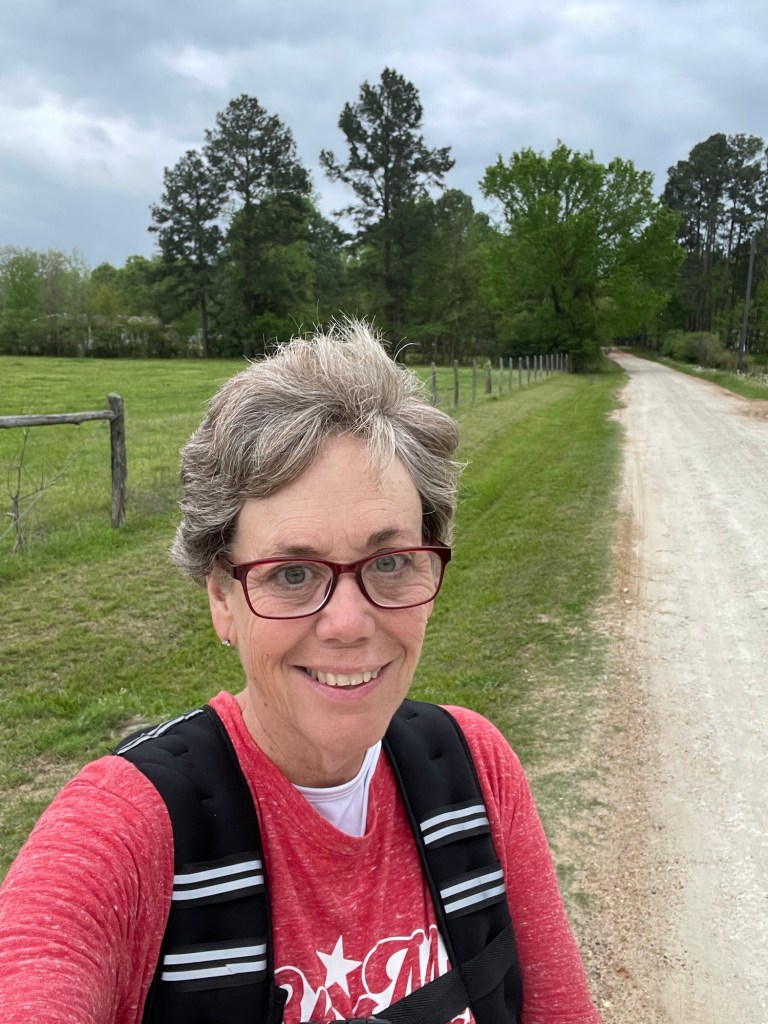
So, I decided to buy a vest. My first question after I decided that a weighted vest was worth trying the next question was how heavy should it be. I did a little more research:
A weighted vest should not weigh more than 10 per cent of your body weight. Research has suggested that weighted vests should be around 4-10 per cent of your body weight. When choosing the right weighted vest, it is advisable to start small. Purchasing a vest of five to ten pounds is recommended for beginners.
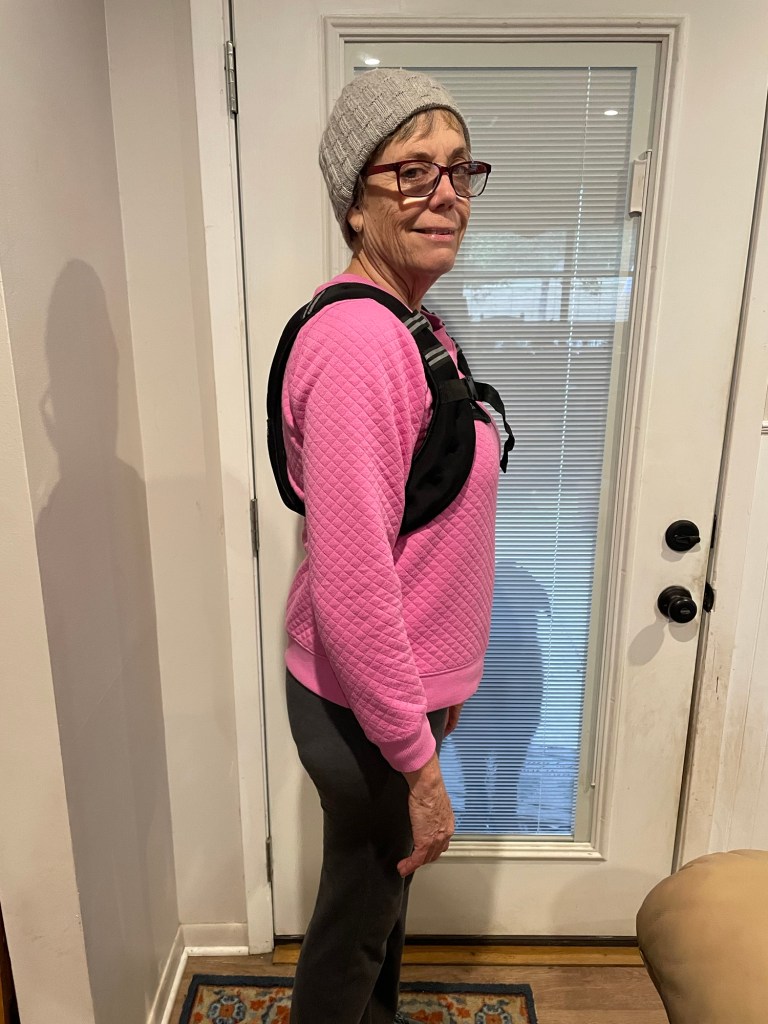
I chose this 12 lb vest because by this point I was already routinely lifting weights and felt that it was an appropriate weight for me.
I have to be honest and tell you that when I asked followers about their experience with weighted vests not everyone loved them. One of the respondents told me she gave hers away because it was stealing her joy when walking. After wearing mine for a while I understand why she said that. I am definitely more tired when I wear my weighted vest. It makes me work harder and I get home out of breath. I would not enjoy walking if I used it every day.
I walk twice a week with my vest, work out with weights twice a week, and keep my 3 lb weights in the kitchen to use when I’m waiting.
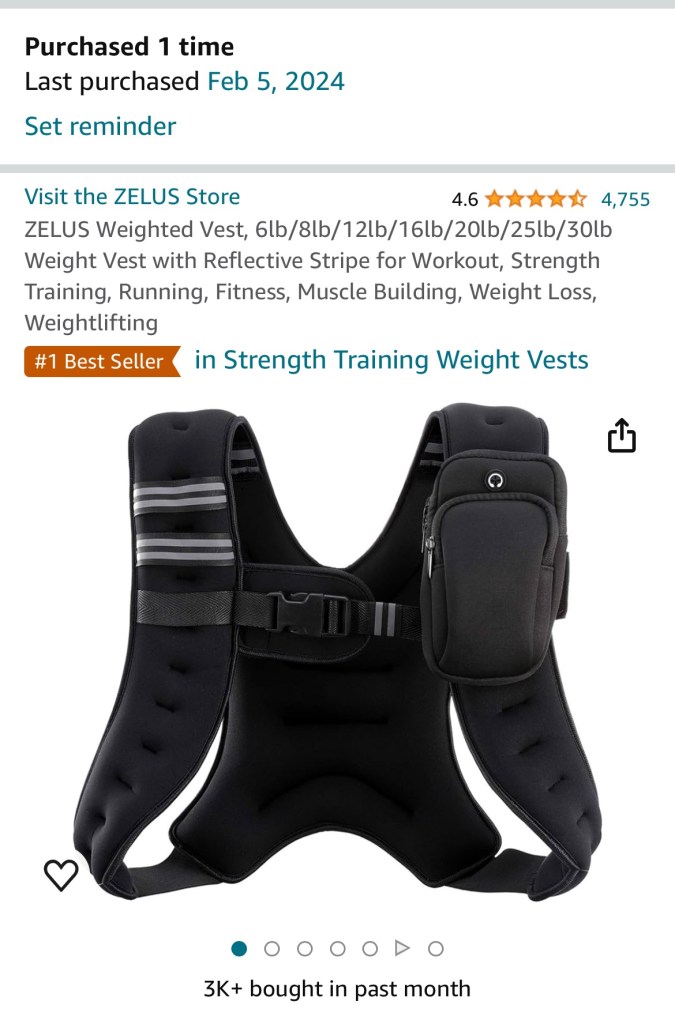
This is the vest I bought. I didn’t choose the type where you add weight for two reasons
- I know myself and I would be tempted to cut myself too much slack if I had the opportunity to make it easier, I would make it easier.
- The type vests that allow for weight to be adjusted are more expensive and I wasn’t sure I was really going to use it so I didn’t want to spend more than necessary.
I won’t know until next year if what I’m doing is working or not but I’m hopeful and of course I’ll take you along on the journey.

I hope this helps!
I love hearing from you,
Karen
@choosing_to_reset



 Choosing to Reset
Leave a comment